
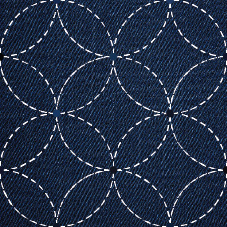
Inspired by interlocking circles representing the Seven Treasures.
Pattern Origin: Traditional Japanese
Pattern Family: Geometric
Japanese Name: 七宝つなぎ (Shippō Tsunagi)
Traditional Meaning: Harmony • Good Fortune • Endless Connections
Difficulty: ★★★★☆
Our Favorite Uses: Denim Jackets, Jeans, Tote Bags, Pouches
A Pattern of Connection, Harmony, and Continuity
Seven Treasures – called Shippō Tsunagi in Japanese – is one of the most recognizable traditional sashiko patterns.
The design is created from overlapping circles connected into an endless geometric chain.
At first glance the pattern looks simple, but in Japanese culture it carries a deep meaning connected to harmony, relationships, and continuity through time.
The Meaning Behid the Name
The word “Shippō” (七宝) literally means “Seven Treasures.”
The name comes from ancient Buddhist tradition, where the “seven treasures” represented precious materials associated with beauty, value, and spiritual richness.
Different historical sources list slightly different treasures, but they traditionally include materials such as:
- gold
- silver
- lapis lazuli
- crystal
- agate
- pearl
- coral
Over time, the name became associated not only with precious objects, but also with things considered valuable in life – relationships, harmony, and lasting connections.
The Symbolism of Interlocking Circles
The repeating circles in Shippō Tsunagi connect endlessly without a clear beginning or end.
In Japanese visual culture, circles often symbolize:
- connection,
- completeness,
- harmony,
- continuity,
- and relationships between people.
Because the circles overlap and support one another, the pattern came to represent bonds that continue over time.
That symbolism made the design especially popular for:
- textiles,
- ceramics,
- family items,
- wedding objects,
- and decorative crafts meant to celebrate long-lasting relationships and prosperity.
How to Stitch the Seven Treasures Pattern
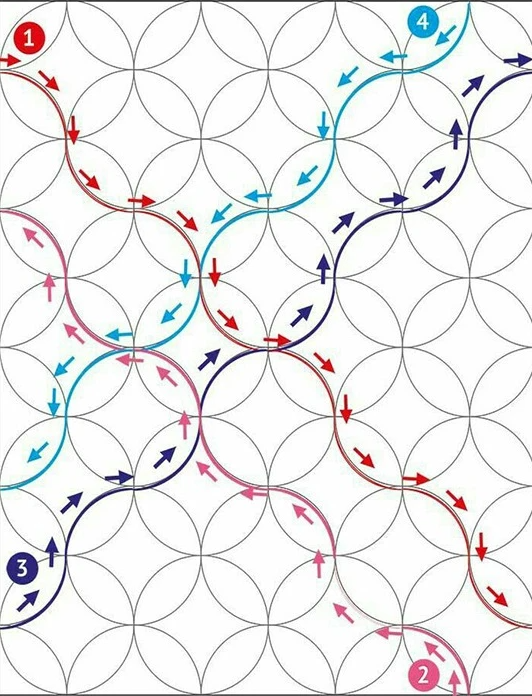
Purchase the PDF Pattern →
Printable Pattern Available
Download this pattern as an A4 PDF
Explore More Sashiko Patterns
Pieces Featuring This Pattern
-
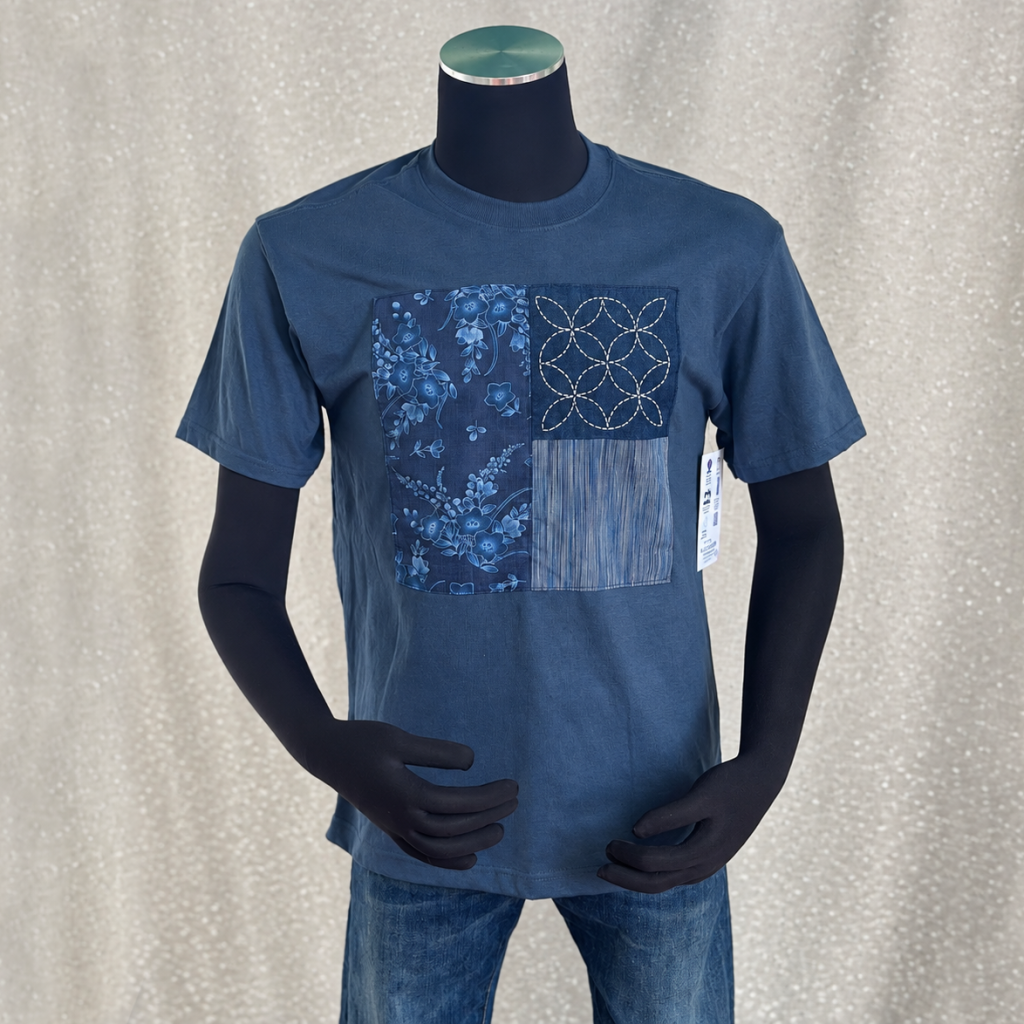
Indigo Bloom
$65.00 -

What I Keep
$45.00 SOLD -
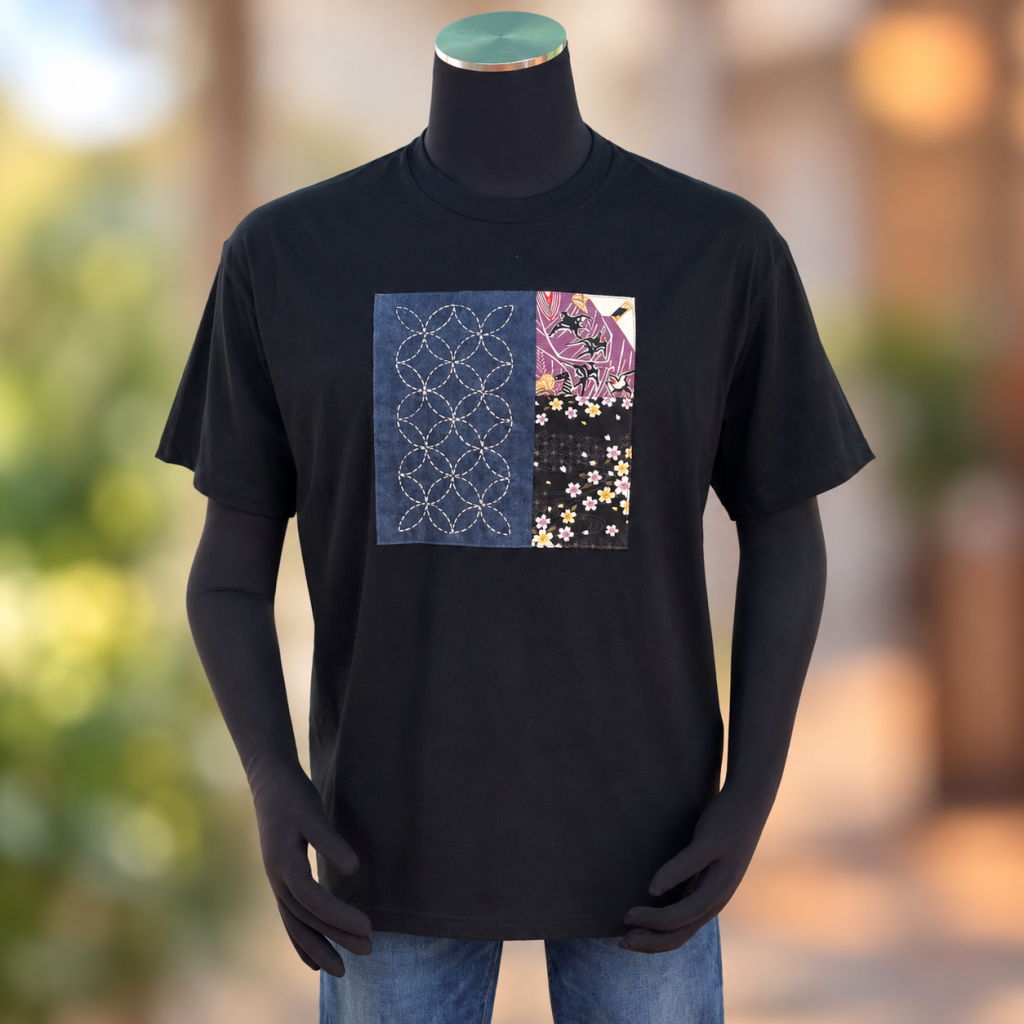
Swift Flight
$45.00 SOLD -
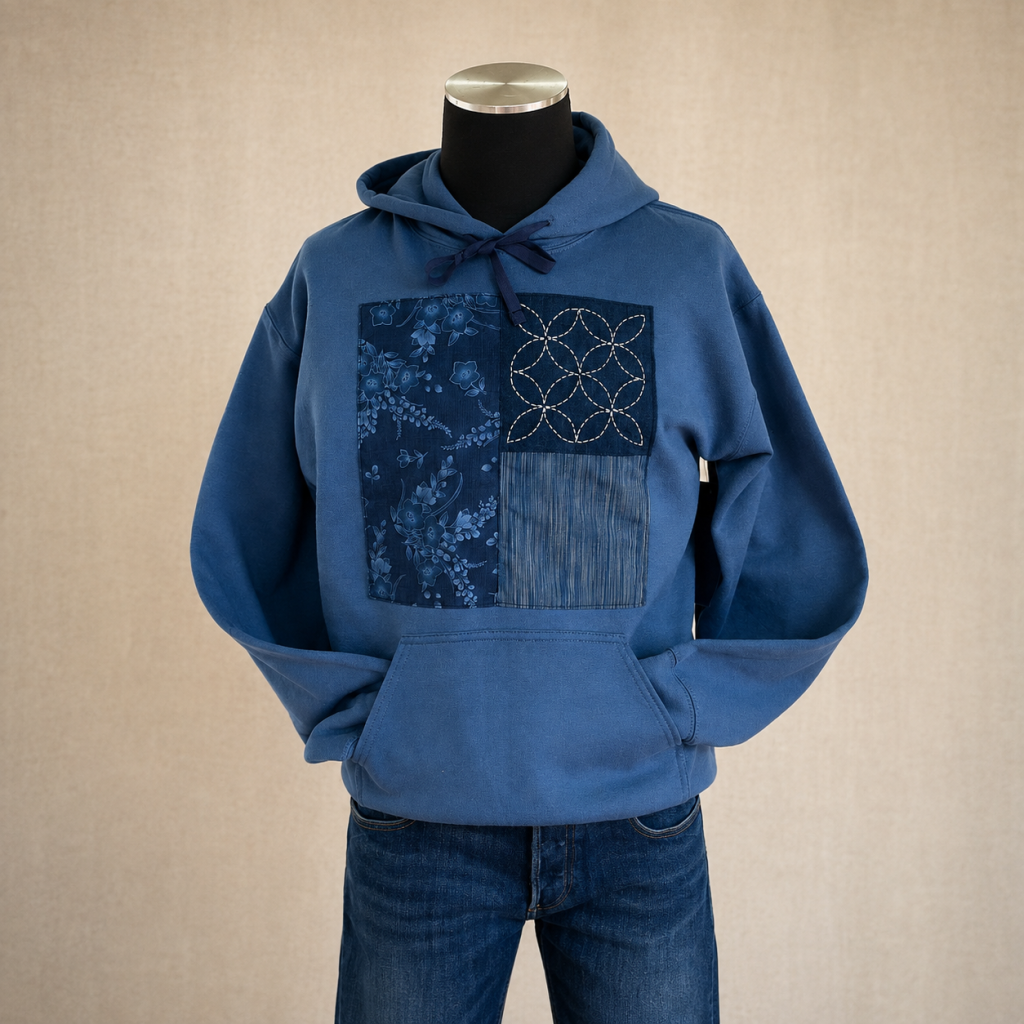
Indigo Bloom
$65.00 -
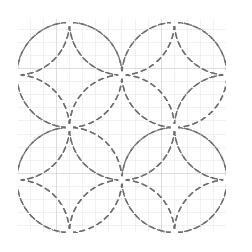
Sashiko Pattern – Seven Treasures (Shippō Tsunagi) PDF Download
$5.00 -
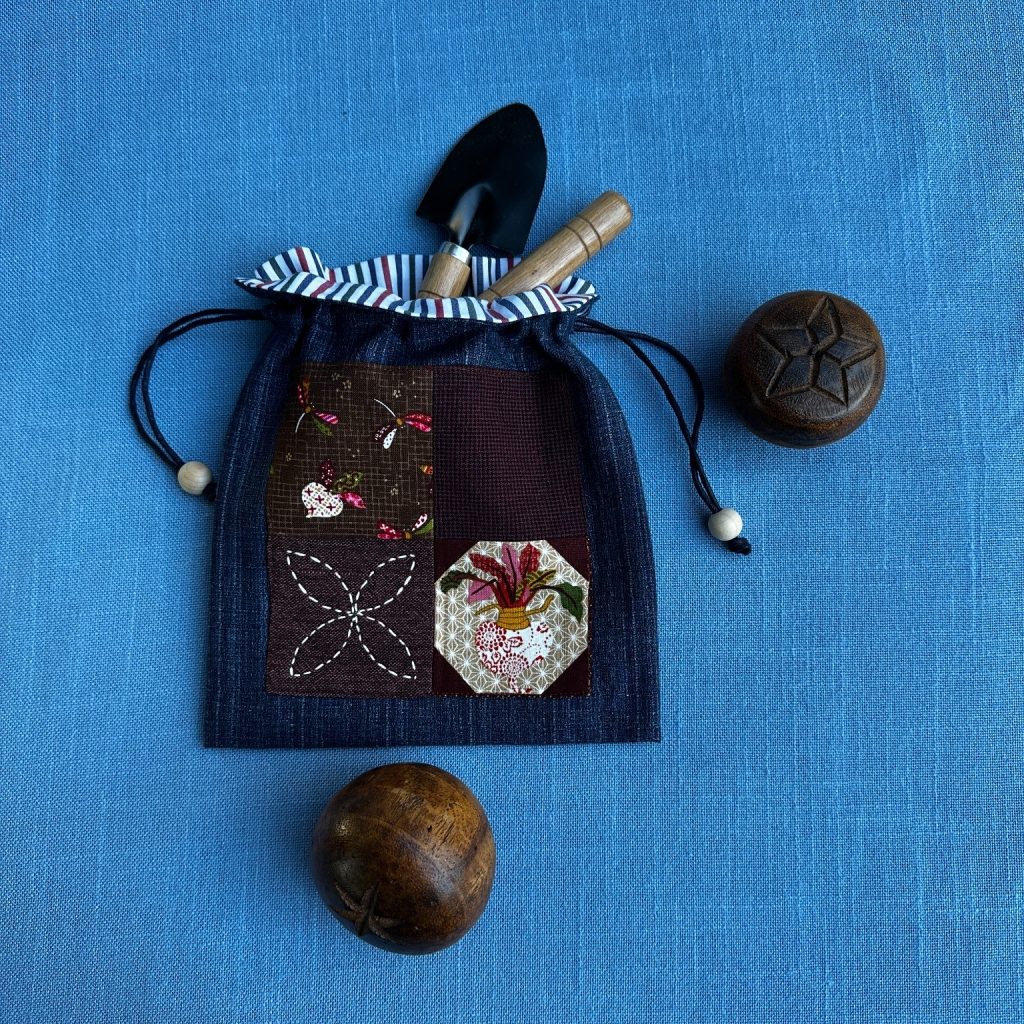
Drawstring pouch – Garden
$35.00 SOLD -
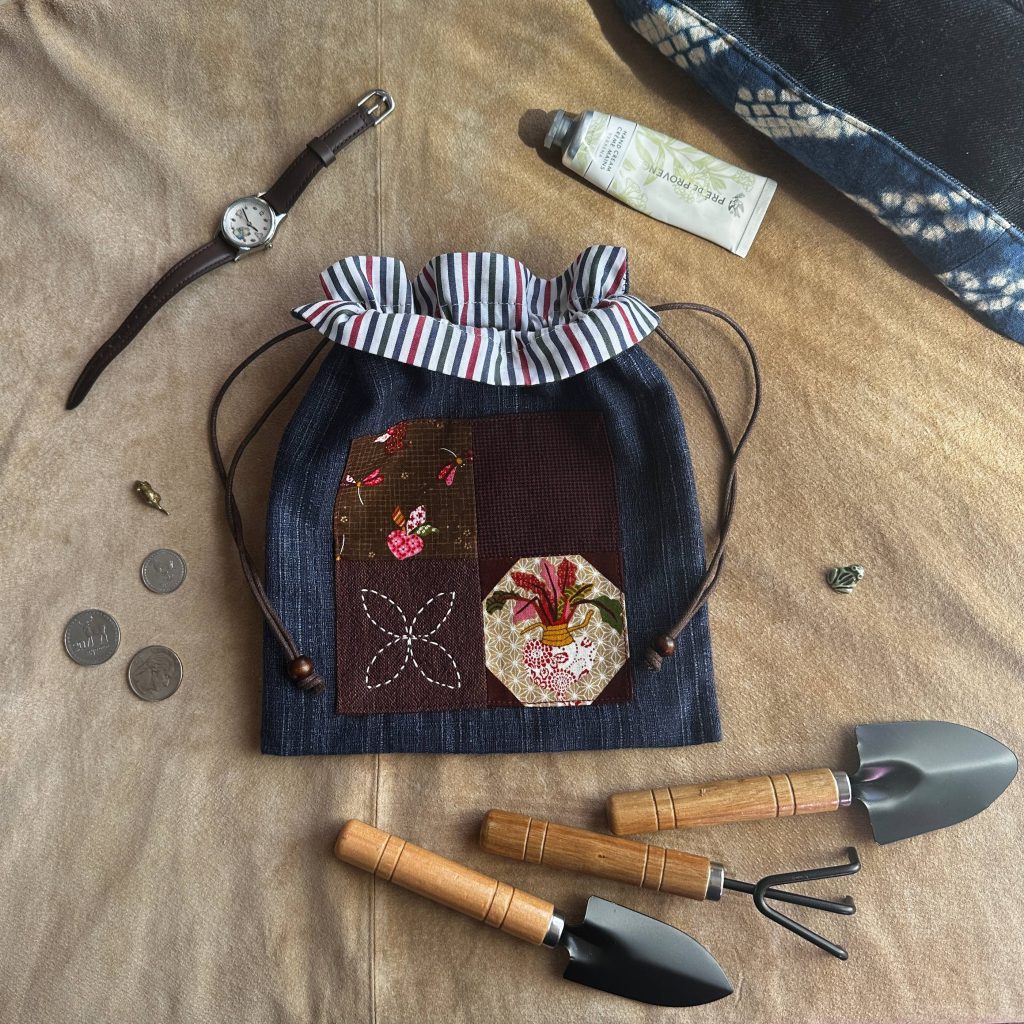
Drawstring pouch – Garden
$35.00 SOLD